I recently got my hands on Vintage’s new lineup of pedals and was blown away by how good they are. One thing that really stood out to me was how beginner friendly they are, making them ideal if you're new to the pedal world.
- Home
- Pathways
- CoachingNew
- Free Lessons

guitar club
by your guitar academy
Get started for free
“
Jonty Poulter
“
Amp emulators
First up, we’ve got these three awesome amp emulator pedals, and I must say, they were absolutely fantastic. The American Pie was a clear favourite for me, as it’s modelled on a Fender Deluxe amp. Just like the other two pedals in this part of the lineup, there are simple and intuitive tone controls at the top, allowing you to shape the low, mid, and high end of your tone. These give you a huge amount of scope to dial in the sound you’re after, easily comparable to most amps I’ve used in the past.
The three controls along the bottom let you shape the dynamics, giving you the option to go from a full-bodied clean tone all the way to a cranked, overdriven sound. The voice control is also super useful, as it lets you fine-tune the high end of your tone, adding extra bite if needed. If you don’t have the space for an amp at home, or you find yourself in a gig situation where the in-house amp isn’t doing it for you, these pedals really do the job. I’d recommend placing one at the end of your pedal chain as a full amp replacement.
Overdrives
There are a couple of really cool overdrive pedals in this new lineup from Vintage. First up, Ollie and I tried what I’m calling the “Green Overdrive” pedal. This one really reminded me of a Tube Screamer, similar to what Ibanez and Maxon have to offer.
I especially enjoyed the ability to shape the overdrive using the treble and bass controls, something you don’t always get on other Tube Screamer style pedals. This pedal would work perfectly if you’re looking to add more edge to your sound, particularly in a rock or metal setting. The transparent overdrive was also a lot of fun to play around with. Despite only having tone and gain controls, it really packs a punch. I think this would be a great option if you’re new to the world of guitar pedals and want an overdrive that’s easy to use but still offers plenty of tonal possibilities.
Fuzz and distortion
The Americana Fuzz was also a definite favourite of mine. I’ve often struggled to find a fuzz pedal that doesn’t completely wreck my tone, but this one was a dream to work with. The tone control offers a wide range, letting you fine-tune how much high end you add to the fuzz. This is especially useful if you’re aiming for anything from a muddy, garage-rock style fuzz to a more Hendrix-inspired Super Lead tone.
The design of the distortion pedal really reminded me of the 90s and 2000s metal era, think Slipknot, Korn, and Limp Bizkit all mashed into one epic pedal. A real standout feature for me was the boost setting, as it adds extra character rather than just volume. I could easily see myself using this live, especially for solos that need to cut through the mix.
Modulation effects
Modulation effects are sounds that change or move your signal over time, rather than staying static. Think of them as effects that make your guitar sound like it’s wobbling, swirling, shimmering, or breathing. For example, choruses, delays and flangers.
Entering the world of effects for the first time can be a bit confusing, especially with so many parameters and possibilities when it comes to modulation. However, I really think Vintage have nailed it with the quality of their modulation pedals. They’re straightforward to use, with clear labelling that makes it easy to understand what each control does.
I’ve often found that some modulation pedals have too many dials and settings, which can be confusing even for more experienced players. The Vintage pedals, however, are far more concise while still offering a huge amount of tonal variation. I couldn’t recommend these enough if you’re looking to add a chorus, flanger, delay, or other modulation effects to your board for the first time and want to properly understand how they shape your sound.
Building my own pedalboard
I mention in the video how I’d use these pedals together, so I thought I’d also show you how I’d set up my own board using the Vintage pedals. I’d start with an overdrive to add a bit of crunch to my sound. I’m a huge fan of Tube Screamer–style overdrives, so the Green Overdrive is a must for me. I’d place it at the front of my signal chain, giving me more control over the modulation pedals later on the board.
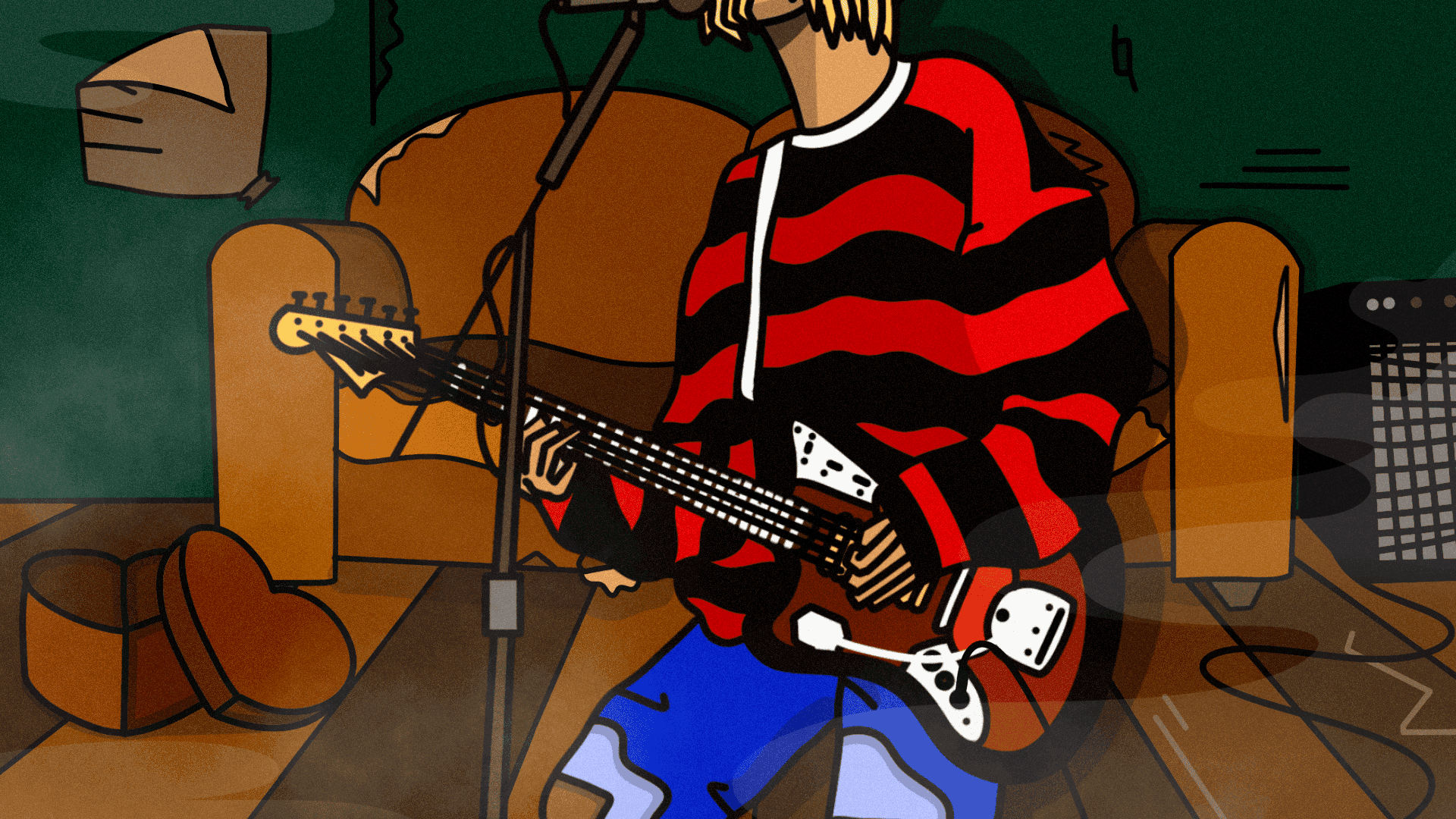
Next up would be the Americana Fuzz. I play a lot of heavier styles of music, and adding a fuzz really helps achieve a metal or heavy rock tone. Placing it after the overdrive creates an additional gain stage, so kicking the fuzz on during a chorus or bridge can really change the dynamics of the sound. I’d then add a chorus pedal. With just the overdrive on and a small amount of gain, you can create a softer, lusher sound. Adding the fuzz alongside it gives the chorus a much more aggressive character. A great example of this in action is how Kurt Cobain uses these kinds of sounds in the iconic lead of Smells Like Teen Spirit.
Kurt Cobain
Franco goes into this in more depth over in our Kurt Cobain player study!
Finally, I’d add the American Pie at the end of the signal chain. This is a great pedal to use if you can’t bring an amp to a rehearsal or gig. The best part of running all four of these pedals together is the price, coming in at around £200 in total, which is a huge bonus for anyone looking to build a pedalboard on a budget. Be sure to head over to the Vintage website to check them out!
If you enjoyed this lesson, consider creating a free account! Get your free guitarist's toolbox and try our full courses 🎸🔥